
Are you looking for ways to increase recurring revenue? If so, you’re in luck.
In this article, I’m going to walk through 11 easy ways to create recurring revenue (MRR + ARR) within your business. No matter what type of business you have, I can virtually guarantee there’s an opportunity for you to build in some element of recurring revenue.
By implementing even just one or two of these ideas, you can create a dependable stream of income that will raise your valuation and help you weather any storm.
Recurring Revenue Businesses: MRR/ARR
What is recurring revenue?
A recurring revenue business is one in which a customer pays a recurring fee for access to a product or service. This type of business model has a number of advantages over others, the largest being predictable, consistent cash flow.
You’ve likely seen examples of recurring revenue businesses all around you. You might have a gym membership that you pay for on a monthly basis, or maybe you use an online service like Netflix that charges you every month.
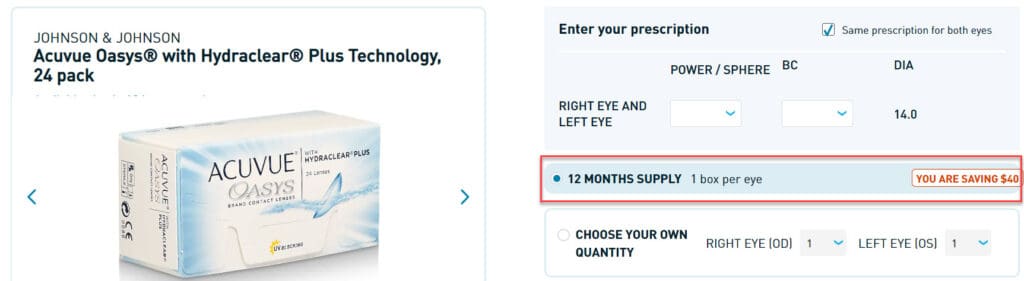
In both of these cases, the customer pays a set fee at regular intervals in order to maintain access to the product or service. This type of business model is sometimes referred to as a subscription business model, and it’s an excellent way to generate consistent, predictable income.
There are two primary types of recurring revenue: MRR and ARR.
Monthly Recurring Revenue
Monthly recurring revenue (MRR) is defined as the amount of money that a customer pays on a monthly basis for access to a product or service.
This amount can be calculated by multiplying the total number of users or customers by the price of a subscription for any given month.
This could be for access to a service, for example, or for a subscription to a software product.
Annual Recurring Revenue
Annual recurring revenue (ARR) is defined as the amount of money that a customer pays on an annual basis for access to a product or service.
For example, some businesses offer an annual subscription to their service, which customers must pay for up-front.
Even if you don’t offer annual plans or subscriptions, you can use recurring revenue from monthly or quarterly plans to calculate your ARR.
For ARR to be relevant, your average customer subscription must last for a least a year, or have customers on multi-year contracts. Keep in mind that high customer churn can throw off your calculations.
Why Do Investors Prefer Recurring Revenue?
There are a number of reasons why investors prefer businesses with recurring revenue.
First and foremost, recurring revenue is far more predictable than one-time sales. This predictability makes it easier for businesses to forecast their future income, and it also makes businesses less likely to experience large swings in income from one month to the next.
Because of this predictability, recurring revenue businesses are easier to scale. With a one-time product sale, for example, a business might need to spend a significant amount of money on marketing and advertising to generate each additional sale.
With recurring revenue, a business can simply add more customers and grow their income without having to reinvest heavily in customer acquisition. This makes it easier to achieve profitability and scale a business quickly and efficiently.
Recurring revenue businesses also have far higher valuations than one-time product businesses. According to Censero Global, introducing recurring revenue can increase a company’s valuation by up to 8 times.
Simply put: for most businesses, transitioning to recurring revenue is going to be the single biggest driver to increase your enterprise value.
Investors are willing to pay far more for a business with a dependable, predictable stream of income. They can feel confident that the business will continue to generate income over the long term, making it a much less risky investment.
More Advantages to Recurring Revenue
- Greater customer retention: Recurring revenue businesses have an easier time retaining customers than one-time product businesses. The reason for this is simple – customers who are paying on a monthly or annual basis have a stronger incentive to stick around and continue using the product or service (even if it’s just inertia). They’re also less likely to be price sensitive, since they’re already locked in at a set price and don’t consciously make a payment each month.
- Greater ability to control expenses and reinvest: With recurring revenue, businesses have more flexibility when it comes to controlling expenses. It’s easier to predict cash flow, so they have fewer surprises. They can choose to reinvest some of their income back into the business to fuel growth, or they can choose to keep expenses low and focus on profitability.
- Increased customer lifetime value: As we mentioned above, customers who are paying on a recurring basis have a stronger incentive to stick around and continue using the product or service. This leads to increased customer lifetime value and a loyal customer base, since customers are more likely to remain with the company for a longer period of time.
- Easier ability to up-sell and cross-sell: Customers who are already paying for a product or service are more likely to be interested in upgrading to a premium version or purchasing additional products and services. This makes it easier for businesses to up-sell and cross-sell, which can drive more revenue.
Recurring Revenue Examples
If you’re not sure yet how you can bring recurring revenue into your business, there are quite a few different flavors of MRR.
You can implement recurring revenue regardless of the price point of your offerings. Here are just a handful of examples:
- Manual Renew Subscriptions: magazines
- Consumables: health and beauty products, printer cartridges
- Services: landscaping, preventative maintenance contracts
- Automatic Renewal Subscriptions: Showtime/HBO, cell phone bill
- Rented Goods: textbooks, musical instruments, party supplies
- Digital Products and Services: software, app subscriptions, online courses, e-books
- Sunk money consumables: razor and blades
- Memberships: health clubs, country clubs, dating sites
- Associations: professional, trade
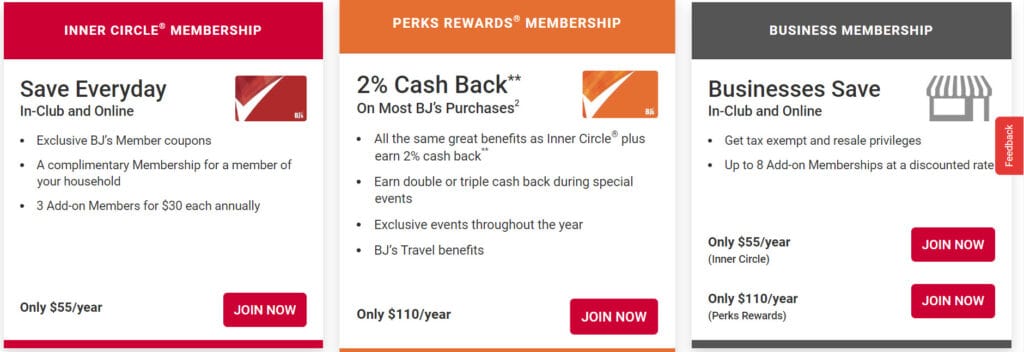
- Buyer’s Clubs: Costco, Sam’s Club, wine clubs
- Boxes: Birchbox, Blue Apron
11 Ways to Add Recurring Revenue to Your Business
Now that we’ve discussed what recurring revenue is and why it’s so important, let’s take a look at 11 ways you can create it in your own business.
Here’s the million dollar question: how can you turn static, one-time income into MRR?
As you go through these strategies, think about how you can take your top existing offerings and convert them into MRR.
1. Offer a subscription-based service
One of the easiest ways to create recurring revenue is to offer a subscription-based service that auto-renews. The key is to turn one-time sales into ongoing MRR.
Netflix and Spotify are two examples of subscription-based services we’ve all heard of, but this has much greater applicability: it could be anything from a monthly cleaning service to quarterly home maintenance visits.
The key here is to find a service that people will use on a regular basis and that they’re willing to pay for on an ongoing basis.
Once you’ve found a service that fits the bill, all you need to do is set up a recurring payment system (such as a monthly automatic withdrawal from a customer’s bank account) and you’re in business.
2. Sell products or services with periodic replenishment
Think about how you can turn one-time sales into either a SaaS offering or physical product replenishment.
You’ll notice this in apps and software (usage per month) as in the screenshot below.
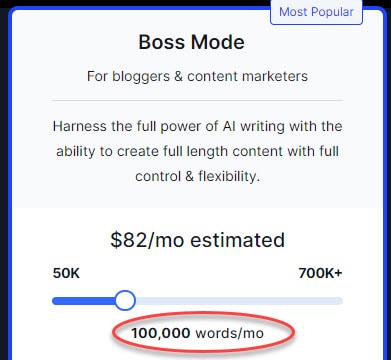
Another strategy to sell physical products that need to be periodically replenished, such as printer ink cartridges, coffee beans, or beauty supplies. Customers will appreciate the convenience of not having to remember to reorder these items, and you’ll love the dependable income they provide.
3. Add product / service certifications or licenses
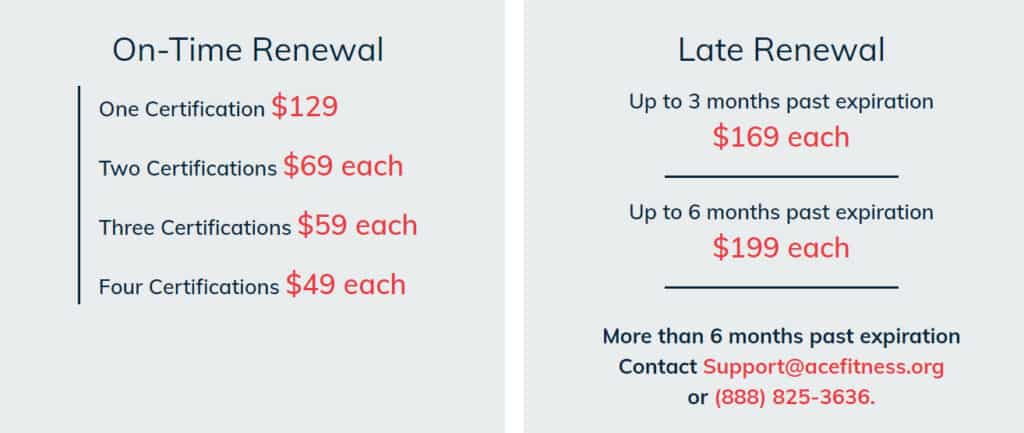
If you offer products or services that require certification or licensing, consider adding a recurring revenue stream by charging customers an annual fee to maintain their certification or license. This could be anything from a yearly yoga certification to professional certifications for a software business.
This is common in fields such as healthcare, where providers must renew their licenses every year, and in construction, where companies must renew their licenses and certifications on a regular basis. Even if there is not a legal requirement for certification, you can get creative here.
4. Offer extended warranties or maintenance plans
If you sell physical products, another great way to create recurring revenue is by offering extended warranties or maintenance plans.
If you sell or service a product that would be a significant expense or headache to replace, then warranties can make sense. Appliances and automobiles are two common examples of products that offer extended warranties that provide customers with peace of mind, while also creating a dependable MRR stream.
5. Provide premium content or features for a monthly fee
If you have a website or app with free content, you can easily create recurring revenue by offering premium content or features for a monthly fee. This could be anything from access to exclusive articles or videos to early access to new features or products.
6. Add associations, buyers clubs, or membership programs
Consider adding associations, buyers clubs, or membership programs to your business model.
This could be all sorts of things:
- Buyer’s club for dog lovers (which could include monthly dog treat / toy deliveries)
- Buyer’s club for wine enthusiasts (which could include quarterly shipments of wine from a different vineyard each time)
- Premium newsletter club
- VIP members-only program
Not only will this give customers access to exclusive products and services, but it will also create a sense of community and loyalty around your brand.

The key is to find a way to add value for your customers on an ongoing basis so they’re happy to keep paying you month after month, year after year.
7. Increase switching costs
This simply means making it more difficult and/or expensive for customers to switch to a competitor. There are a handful of ways you can do this:
- Offer exclusive products or services that your competitors don’t have
- Create a unique customer experience that’s hard to replicate
- Make it easy for customers to do business with you (such as by offering online payments or automatic shipments)
- Build strong relationships with your customers so they feel loyal to your brand
8. Increase consumption of product / service
This means encouraging customers to use more of your product or service so they get more value from it.
There are a few ways you can do this:
- Offer discounts for customers who purchase in bulk (or prepay)
- Create bundles or package deals that encourage customers to buy more
- Educate customers on new ways to use your product or service
- Make sure customers understand the full potential of what you offer (all the features/benefits)
- Offer subscription plans that give customers access to more of your product or service
9. Increase sense of community
Think about how you can strengthen the sense of community for your current customers or clients. Some idea starters:
- Host events or meetups for customers and potential customers
- Create an online forum or private Facebook group for customers
- Offer exclusive products or services to loyalty program members
- Give customers a way to connect with each other and create friendships (such as through social media or an online forum)
People will be much more likely to continue to pay if they are becoming part of a community.
Communities can provide a sense of social pressure that encourages people to consume more, as well as a support system for when people are experiencing problems.
By creating a sense of community you’ll also create a more loyal and engaged customer base.
10. Increase collateral
Think if there is a way to secure recurring revenue against something else. For example, if you pay for a storage facility, they have your goods, so you must continue to pay.
The same concept applies in the digital world – if you rely on Google Drive, they have your documents, so you must keep paying.
By increasing collateral, you’ll create a stronger incentive for customers to keep paying you month after month, year after year.
11. Decrease choice
If you are the only one in the market who can offer what you do, you’ll have an extreme advantage.
By decreasing choice, you’ll make it more likely that customers will do business with you and continue to pay you on an ongoing basis.
Think about how you can decrease choice for your customers:
- Create a true competitive advantage and differentiation that sets you apart
- Focus on a niche market that’s underserved by your competitors
- Educate customers on why your product or service is the best choice for them
- Offer exclusive products or services that your competitors don’t have
By decreasing choice, you’ll make it more likely that customers will do business with you and continue to pay you on an ongoing basis.
How to Calculate MRR and ARR
Now that we’ve gone over what recurring revenue is and how to create it, let’s take a look at how to calculate monthly recurring revenue (MRR) and annual recurring revenue (ARR).
The good news is both are very simple:
- MRR: sum up the recurring revenue generated by that month’s customers to arrive at your MRR figure.
For example, if you have 50 customers with a monthly subscription cost of $100, your MRR would be $5,000.
- ARR: the total amount of recurring revenue you generate in a year. To calculate it, simply take your MRR and multiply it by 12.
Using the example above, your ARR would be $60,000 ($5,000 x 12).
When calculating MRR and ARR, you’ll want to account for any upgrades or downgrades (upsells or reductions to a lower-priced package).
By tracking these metrics, you’ll have a better understanding of the overall health and success of your business. Knowing your metrics will also make it easier for you to set goals and measure progress over time.

Companies with High Recurring Revenue: What They Do Right
While there are many different ways to create recurring revenue, not all companies are equally successful.
The companies that truly have mastered the art of generated recurring revenue have a few things in common:
- They are not trying to get the “short sale:” they play the long game and aim to astonish customers with the value of their product
- They design a world-class product and focus on providing exceptional customer service: they treat their customers so well they come back over and over again
- They constantly strive to make their product better. To make products better, they survey customers, analyze their experiences, and keep driving improvements (making the customer experience easier and improving outcomes).
- The initial sale is not about taking the money, it’s about building the relationship. They are willing to invest in that customer for the long-term. Remember: the probability of selling to an existing customer is up to 14 times higher than the probability of selling to a new customer.
As we wrap up, I want you to think about a scenario:
Starting tomorrow, you can not market anything and you can not get any new customers.
The only thing you have are the customers you have today. The only way you could get additional customers would be to get them from referrals or word of mouth.
How much different would you treat them?
How much better would their experience be?
How much better would you make your product?
When you start thinking like this – you can keep customers for life.
Conclusion
Recurring revenue is a key ingredient for any successful business, and is worth dramatically more than one-time static revenue.
As you can see, there are many different ways to generate recurring revenue, and the sky is the limit when it comes to creativity. If you can find a way to offer a service or product that customers need on a regular basis, you’ll be well on your way to success.
Now that you know all about recurring revenue, it’s time to put your knowledge into action. Think about ways you can create recurring revenue in your business, and start implementing those strategies today. The more recurring revenue you have, the more predictable and valuable your business will be.

