Thinking about selling your business to employees?
This is a popular exit strategy for business owners, since it allows you to keep the company in the hands of those who are already familiar with its operations and have a stake in its success.
Many prefer this route over selling to a private equity firm, who often have more of a pure financial focus.
With that said, there are also challenges to consider and careful planning is necessary to ensure a smooth transition.
In this post, we’ll explore four key factors to consider when selling your business to employees, different types of deal structures, and answer some frequently asked questions.
Let’s dive in.
Selling Business to Employees: Advantages and Disadvantages
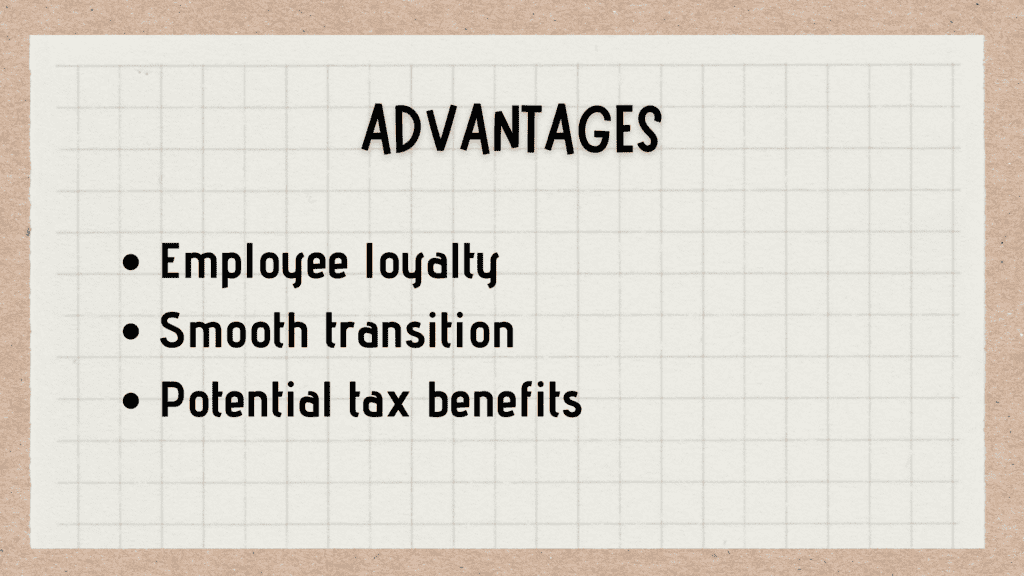
Advantages
- Employee loyalty: If you have a strong, dedicated team, selling to your employees may be a good way to ensure that they will continue to be invested in the success of the company. It’s also a great way to reward folks who have been loyal over the years.
- Smooth transition: Selling to your employees can help ensure a seamless transition, as they are likely very familiar with the business and its operations. This can often result in a quicker sale and allow you to skip hiring a business broker.
- Potential tax benefits: Depending on the structure of the sale, you may be eligible for certain tax benefits, such as deferring capital gains taxes. I’ll cover this in more detail later in the post.
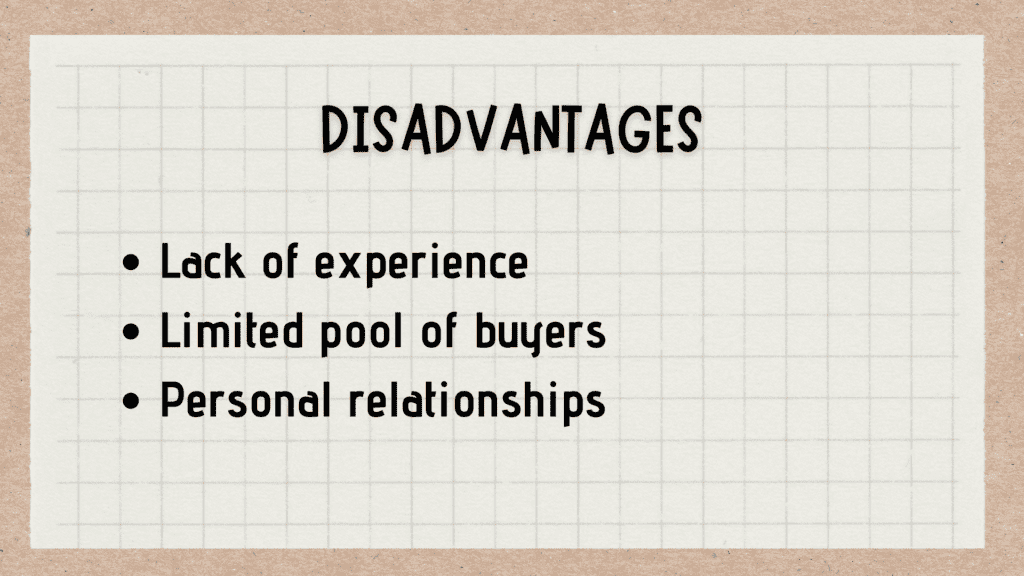
Disadvantages
- Lack of experience: Your employees may not have the same level of experience or expertise as outside buyers, which could impact the success of the business under new owners.
- Limited pool of other buyers: Selling to your employees may limit the pool of potential buyers, giving you limited negotiating leverage, and potentially reduce the overall selling price of the business.
- Personal relationships: Selling to your employees can potentially impact personal relationships and create uncomfortable dynamics if things don’t go as planned.
Selling a Business to Key Employees: 5 Critical Things to Remember
1. Assess the interest and readiness of your employees
Not all employees may be interested in becoming owners. It is important to gauge interest and determine which employees may be potential buyers.
- Does anyone on your team have the desire to take over?
- Are your key employees ready and able to take on the responsibilities of business ownership?
- Do they have the necessary skills, knowledge, and experience to run the business successfully?
2. Establish ownership structure
Employees likely won’t have the financial resources to buy the business outright in cash. You may need to consider financing options to make the sale possible.
You will need to decide how you want ownership structured among the employees and what each of their roles and responsibilities will be. There are several options for structuring the sale of your business to employees, which I’ll cover later in the post.
3. Communicate with your employees
It is important to keep your employees informed throughout the process of selling your business.
This includes explaining the reasons for the sale, the terms of the sale, and the expectations for the future. Communication can help ensure that the transition is smooth and that ensure your other employees feel invested in the success of the business.
4. Avoid these common mistakes in the sale process
There are several common mistakes that business owners make when selling their business to their employees.
Here are a few to watch out for:
- Unclear business valuation: It’s important to accurately value the business in order to ensure a fair price for both the seller and the employees. Failing to properly value the business can lead to misunderstandings and difficulties during the negotiation process.
- Not adequately communicating with employees: make sure you’re transparent and open with your employees about the sale of the business and what it means for their future with the company. Failing to adequately communicate can lead to misunderstandings and mistrust.
- Not considering the long-term implications: Selling to your employees is a significant decision that will have long-term implications for both the business and the employees. As you an imagine, it’s critical to carefully consider the potential risks and rewards before making a decision.
- Not seeking professional advice: Selling a business is a complex process that requires a lot of planning and due diligence. Seeking the advice of M&A advisors can help you navigate the process and avoid common mistakes. I’d recommend working with a team of professionals, including a lawyer and accountant, to ensure that the sale is properly structured and executed.
Types of Deal Structures: How Do Employees Purchase a Company?
If you do decide to move forward and sell to an employee, there are several types of deal structures that you can use.
Here are a few options to consider:
Employee Stock Ownership Plan (ESOP)
An ESOP is a retirement plan that allows employees to become owners of the company through stock ownership. As the seller, you can transfer ownership of the company to the ESOP, which will then hold the stock on behalf of the employees. This is a profit sharing plan that allows employees to benefit from the company’s success.
Pros:
- Employees can become owners of the company and share in its success.
- ESOPs can be structured to meet the specific needs of the company and its employees.
- ESOPs can provide tax benefits for both the company and the employees.
- ESOPs can be a tool for succession planning and employee retention.
Cons:
- ESOPs can be complex and may require the assistance of a professional to set up and administer.
- ESOPs may require the company to take on debt in order to finance the purchase of stock.
- Employees may not fully understand the implications of ownership and may not fully participate in the plan.
Long term installment sale
In a long-term installment sale, the seller agrees to finance part of the purchase price by allowing the employees to make payments over time. This is an attractive option for sellers who want to receive some immediate cash and also benefit from the potential tax savings from stretching out payments over several years. For your own protection, you might want to require a personal guarantee as part of the promissory note.
Pros:
- Allows the seller to receive some immediate cash and stretch out payments over several years.
- May provide tax benefits for the seller by allowing them to recognize the gain from the sale over a longer period of time.
Cons:
- The seller may be at risk of non-payment if the employees are unable to make the required installment payments.
- The seller may be required to provide ongoing support and assistance to the employees during the installment period.
Partial Buyouts
Partial buyouts allow a group of employees to purchase a portion of the business from the owner. With a partial buyout, you can sell a percentage of the business, such as 50%, to an employee or group of employees.
This is less risky than an ESOP because there is no need for financing and it leaves you with a significant stake in the company. This type of sale allows for more flexibility, as it allows individual employees to invest only what they are comfortable with.
Pros:
- Allows individual employees to invest only what they are comfortable with.
- Leaves the seller with a significant stake in the company.
- May be less risky than an ESOP because there is no need for financing.
Cons:
- The seller may not receive as much upfront cash as they would with a full sale.
- The seller may need to provide ongoing support and assistance to the employees who have purchased a portion of the business.
Stock purchase agreement
Under a stock purchase agreement, your employees would purchase the stock of the company directly from you. This can be structured as a one-time payment or with installment payments over time.
Pros:
- Allows the employees to purchase the stock of the company directly from the seller.
- Can be structured as a one-time payment or with installment payments over time.
Cons:
- The seller may not receive as much upfront cash as they would with a full sale.
- The seller may need to provide ongoing support and assistance to the employees who have purchased the stock.
Asset purchase agreement
Under an asset purchase agreement, your employees would purchase specific assets of the company, rather than the stock. This could include tangible assets such as equipment and inventory, as well as intangible assets such as intellectual property and customer lists.
Pros:
- Allows the employees to purchase specific assets of the company, rather than the stock.
- Can allow the seller to retain certain assets, such as real estate or intellectual property.
Cons:
- The seller may not receive as much upfront cash as they would with a full sale.
- The seller may need to provide ongoing support and assistance to the employees who have purchased the assets.
Management buyout
In a management buyout, a group of employees, often the management team, purchases the company with the intention of continuing to run it. This type of deal may involve outside financing in addition to the purchase price.
Pros:
- Allows the management team to continue running the company.
- May be attractive to employees who are interested in ownership and leadership opportunities.
Cons:
- May require the company to take on debt in order to finance the purchase.
- The seller may not receive as much upfront cash as they would with a full sale.
- The seller may need to provide ongoing support and assistance to the management team during the transition period.
Business Owner Frequently Asked Questions
Let’s cover a few common questions business owners have about selling to employees.
What to tell your employees when you sell your business
I recommend being as honest and transparent as you can - here are a few things to think about sharing:
- Timing: Make sure to give your employees advance notice about the sale of the business, so they have time to process the news and prepare for any changes that may come with a new owner.
- Reason for the sale: Be transparent about the reasons for the sale. If you are retiring, expanding to a new market, or simply looking for a change, make sure your employees know.
- Future plans for employees: Let your employees know what the sale means for their future with the company. Will they be able to continue working for the new owner? Will there be any changes to their roles or responsibilities?
- Support during the transition: Show that you’re looking out for the best interest of your employees during the transition. This could include providing resources or assistance with finding new employment if necessary.
- Open communication: Encourage open communication and allow your employees to ask questions and express any concerns they may have. Keeping them in the dark can result in a rumor mill across your organization.
Do employees make money when a company is sold?
There are several ways that employees can potentially make money when a business is sold:
- Continuation of employment: Depending on the terms of the sale, the new owner may choose to retain the current employees and offer them continued employment. In this case, employees would continue to receive their regular salaries and benefits.
- Bonuses or incentives: Some business owners choose to offer bonuses or incentives to their employees as part of the sale. This could include one-time payments or ongoing incentives based on the performance of the business under the new ownership.
- Employee Stock Ownership Plans (ESOPs): If the business is being sold to ESOP, employees may become owners through stock ownership. This can provide employees with a financial stake in the company and the opportunity to share in its success.
- Stock options: In some cases, business owners may offer stock options to their employees as part of the sale. This can provide employees with the opportunity to purchase shares of the company at a discounted price.
Tax benefits of selling business to employees
There may be tax benefits involved with selling your business to your employees, depending on the structure of the sale and the specific circumstances of your business.
Here are a few potential tax benefits to consider:
- ESOPs: If you sell your business to ESOP, you may be able to defer capital gains taxes on the sale. An ESOP is a retirement plan that allows employees to become owners of the company through stock ownership.
- Small Business Stock: If you are selling your business to a small group of employees, you may be eligible for the Small Business Stock exclusion, which allows you to exclude up to 100% of the gain on the sale of qualified small business stock. To qualify, the business must be a C corporation and meet certain other requirements.
- 1042 rollover: If you sell your business to an employee and reinvest the proceeds in certain types of replacement property within a certain timeframe, you may be able to defer capital gains taxes through a 1042 rollover.
As I mentioned above, make sure you consult with a tax professional or M&A advisor to come up with a strategy for your specific situation.

Conclusion
Selling your business to employees can be a strategic and rewarding way to transition ownership and ensure the continued success of the company.
By considering the benefits, considerations, and steps outlined above, you can navigate the process smoothly and successfully sell your business to employees.
I hope this post helps give clarity to some of the key things you should pay attention to - feel free to drop a note in the comments if you have any questions.