
If you’re a business owner looking to reduce supply chain costs, you’ve come to the right place. At times, supply chain management might feel time-consuming and costly – but there are plenty of cost avoidance strategies out there that can help.
In this post, we’ll be exploring 14 unique and actionable ways to reduce supply chain costs through cost cutting measures.
My goal: provide you with ways to save money without compromising quality.
How Can Supply Chain Costs Be Reduced?
Stats show that supplier costs account for 75% of total business costs (on average), so there’s a ton of opportunity here for savings.
Before we get into the cost reduction strategies, I want to get you brainstorming around some potential places that savings could come from.
Supply Chain Management Cost Examples
Procurement costs can of course vary widely depending on the nature of your business – here are some common examples. Even if these aren’t top of mind, there are likely cost saving opportunities all around your business.
- Raw Materials: The cost of materials or components used in production, such as wood, metal, fabric, etc.
- Labor: The cost of hiring additional staff to complete a project, such as factory workers or software developers.
- Equipment Purchase: The cost of purchasing new machines and tools needed for production or operation.
- Outsourcing: The cost of contracting out specific tasks to external companies or individuals.
- Shipping: The cost of transporting goods from one location to another, such as freight costs for large orders.
- Insurance: The cost of purchasing insurance policies in order to cover the risk associated with procuring goods or services.
- Taxes and Fees: The cost of taxes and fees associated with the purchase of goods or services, such as sales tax.
- Storage: The cost of storing goods in warehouses until they are ready to be shipped out.
- Maintenance: The cost of regular maintenance on machinery and equipment used in production.
- Auditing: The cost of hiring a third-party to audit the accounts of suppliers.
- Legal Fees: The cost of hiring a lawyer or legal service for advice related to procurement contracts and agreements.
- Marketing: The cost of running marketing campaigns in order to attract new vendors or customers.
- Technology: The cost of purchasing software, hardware and other IT components needed for supply chains.
- Training: The cost of hiring external trainers to provide staff with knowledge and skills related to procurement.
Cost Reduction Benefits
While many of these strategies might seem fairly minimal on the surface, executing them can have a massive effect on your profitability.
These savings opportunities are critically important, as supply chain costs can be a tremendous lever to reduce costs across your company. The cumulative impact of small reductions in costs can quickly transform your bottom line and help you scale.
For a business operating at a 20% margin, each point in expenses saved translates to a 5% profit margin.
Simply put: small savings compound into big profits.

1. Review All Supply Chain Expenses Once a Month
Regularly monitoring your expenses is key to understanding where and how you’re spending money. This can help you identify potential areas for cost savings, such as finding cheaper suppliers or creating a more efficient supply chain.
If you review every check you’re paying at least once a month, you’ll find quite a few that aren’t justified and not essential. The key is to determine what can be cut and take action.
2. Save Money by Consolidating Purchases
If you purchase from multiple suppliers, you may be able to get a discount by consolidating your orders with one supplier. Using fewer suppliers if often cheaper because you can negotiate a better deal and take advantage of bulk discounts.
You should also look for ways to centralized ordering so that you can buy in larger quantities and therefore pay less per unit.
This gives the supplier more business, which may allow them to offer a lower price.

3. Negotiate Terms with Suppliers
Examining and improving terms with your suppliers is often low hanging fruit. Negotiating contracts is one of the quickest paths to procurement savings – it often only takes a phone call for significant cost reductions.
Here are a few ideas:
- Ask for more favorable (longer) payment terms. This could involve extending the payment window to 45 or 60 days. This gives you more time to generate revenue and keep cash on hand.
- Negotiate better credit terms and prices: if you have a long-term relationship, you might be able to get additional discounts or flexibility
- See if you can get a discount for entering a long-term contract, which likely could get you lower prices and more favorable terms
- You might be able to get a discount for paying early. If your vendor doesn’t offer a discount, pay when it’s most advantageous for your business (i.e. pay on the last allowable day).
- See if you can purchase inventory in bulk for a discount
4. Shop Around for New Suppliers
if you are not able to renegotiate price or terms, it’s worth exploring alternative vendors and suppliers to see if you can get a better deal.
One way to do this: find out who competitors buy from and get quotes from them. Shop their best prices against your suppliers to get more competitive rates.
Be sure to carefully evaluate any potential new suppliers to ensure that they can meet your business’s needs and provide good value.
Go Out to Bid Once a Year
I’d recommend exploring the competition and collecting supplier proposals frequently, especially for your top charges. Typically several cost drivers will make up the bulk of your supply chain cost and it is worth getting bids from multiple suppliers to get the best deals.
This practice can help you save money, reduce supply chain costs and have a better understanding of your total cost landscape. Going out to bid once every year will give you an accurate picture of what’s available in the market and an opportunity to find more efficient and cost-effective options.
5. Send Suppliers Letters for Price Freezes
Send your suppliers a letter from your CEO saying that times are tough and that you’ll not be able to absorb price increases for the next 18 months (or request a 10% decrease). You’ll be surprised how many agree to these terms.
If you’re getting resistance, consider telling the supplier that any price increase will trigger a competitive bid to go to five of their competitors.
As mentioned above, be willing to collect competitive bids frequently, especially for your top 25 charges. Having more choices always gives you greater leverage and ensures you’re are getting the best possible price.

6. Implement KPIs for Procurement
KPIs (key performance indicators) can help you track the effectiveness of your entire procurement lifecycle. KPIs measure the performance of certain activities over time and allow you to identify areas for improvement.
Here are a handful of common KPIs you could track for procurement cost savings:
- Number of purchase orders processed per month
- Average cost savings on each purchase order
- Average time for a purchase order to be filled
- Number of vendors used per month
- Average delivery time

For reference, this article has a comprehensive list of KPIs which might spark some more ideas.
If you implement procurement measures and track progress over time, you can better manage your operational costs and identify excess costs.
7. Cancel All Unnecessary Contracts
Take some time to examine your existing contracts. If you have contracts that don’t reflect your current needs, lean towards canceling them (especially any long-term contracts).
You’ll want to be careful about breaking contracts that have early termination fees and/or require a notice period—but if you’re able to, this could be an excellent way to create cost savings in your supply chain.
A few ideas:
- Cancel office equipment maintenance contracts (99% of the time it will be cheaper to self insure)
- Reduce phone and internet contracts – just use what’s necessary and being utilized today

Review Your Contracts Once a Year
Look for any hidden costs or discrepancies between what you’re being charged and what you agreed to pay. Don’t be afraid to ask questions or negotiate discounts if needed.
It’s also important to ensure that all contracts are up-to-date with current market rates and reflect any changes in the scope of work. Reviewing your contracts on a regular basis will help you identify any unnecessary costs and ensure that they are in line with current market rates.
8. Reduce Waste and Inefficiencies in Your Supply Chain
One of the simplest and most effective ways to reduce supply chain costs is by streamlining your supply chain strategy. This means taking a look at each step of the process, from order placement and approval to delivery, with an eye for efficiency and reduced supply costs.
Waste and inefficiencies can add up quickly, especially if you have a long supply chain. Simpler processes often result in cost savings.
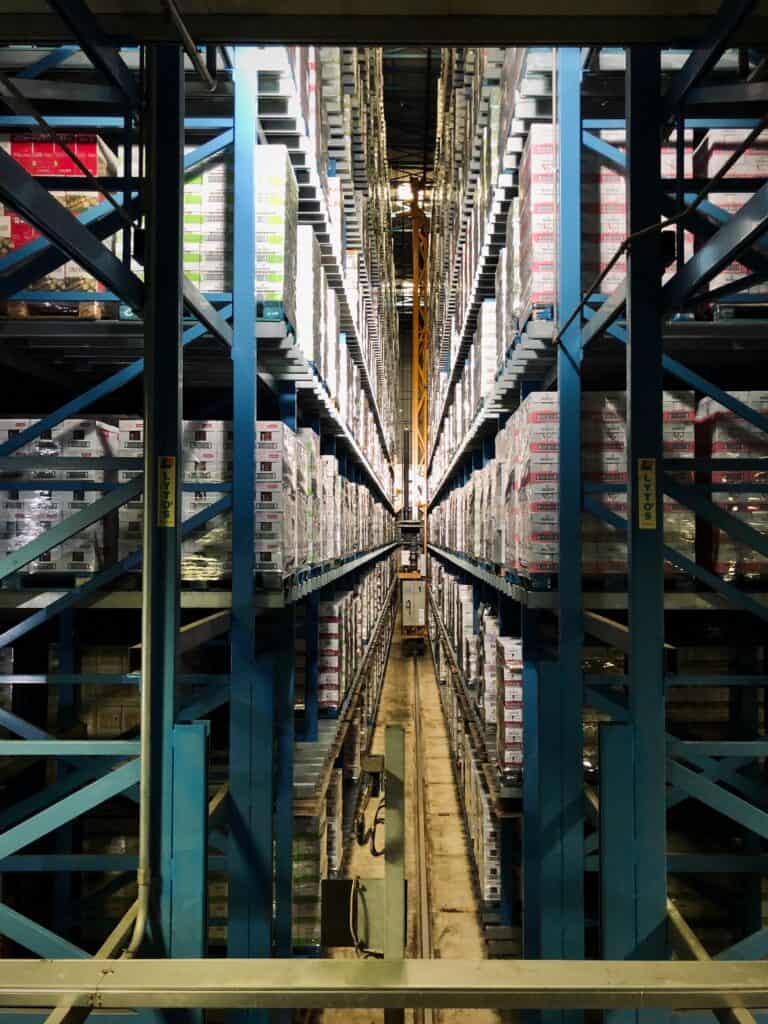
Just-In-Time Inventory Management
One way to reduce inefficiency is to use a just-in-time (JIT) management system. This can help you reduce inventory costs and improve cash flow.
JIT works by delivering parts and components to your production area in small quantities as needed, so you’re not storing excess inventory that could be tying up capital unnecessarily.
Extend Account Payables Timeframe
For improved cash flow, extend account payables timeline and test tolerance of suppliers (i.e. extend to 30 days, 60 days, 90 days).
Most will not push back and you’ll have more flexible cash flow and additional working capital to support growth and operations.
9. Reduce Rogue Spending
Rogue spending (also known as maverick spending) is when employees make business purchases without going through the procurement process, resulting in higher costs and uncontrolled spending.
Build controls around technology purchases, furniture, and other high-ticket items. Make employees create a business case to defend the value and productivity improvements.
Review your company’s policies and procedures to make sure that everyone is following the same guidelines for purchases.

10. Outsource Non-Core Activities
If your business doesn’t have the expertise or resources to manage certain aspects of the supply chain, consider outsourcing those activities to a third party who can do them more efficiently and at a lower cost.
Outsourcing can help reduce labor costs, minimize overhead, and give you access to specialized talent or processes. Examples of potential outsourcing opportunities include accounting, customer service, IT support, data entry and warehousing.
11. Better Manage Tail Spend
Tail spend involves the low-value purchases that a company often overlooks and ends up incurring higher costs than necessary.
While tail spend typically contains a majority of suppliers, it makes up a small percentage of total spend. Take some time to identify, analyze and manage tail spend.
To better manage these low-value purchases, analyze the tail spend data to identify opportunities for reducing costs and improving efficiency.
12. Create a Formal Procurement Purchasing Process
I’d recommend creating a formal procurement process that standardizes the way purchases are made and reduces ad hoc purchases (resulting in lower costs).

This process should include:
- Approved vendors (your handful of key suppliers)
- Guidelines for how to select and purchase materials
- Approval policies for all purchases (price thresholds etc.)
Once you have the process in place, it’s important to ensure that everyone is following the same rules and procedures to realize savings.
Make sure that employees are aware of what is expected from them during the procurement process and provide the necessary training and support to ensure that they follow through.
13. Technology for Supply Chain Visibility
If you’re not already, think about using technology to better monitor your supply chain operations, streamline processes and find procurement cost savings opportunities.
A few examples:
- Track shipments and transportation costs with GPS technology
- Integrate sales data into analytics tools to better understand customer behaviors and segmentation
- Use a cloud-based management system to track and manage your inventory in real-time, reducing the need for manual data entry and reducing the risk of errors.
All of these things can provide valuable insights that help you identify bottlenecks and inefficiencies that may be driving up costs.

14. Data and Analytics for Decision Making
Using data and analytics to drive decision-making in your supply chain can help you identify opportunities to reduce costs and improve efficiency. As one example: you can use data to analyze your supplier performance, as well as the costs and risks associated with each supplier.
This can help you make more informed decisions about which suppliers to work with, as well as how to negotiate better prices and terms. Additionally, you can use data to forecast demand and manage inventory levels, reducing the need for excess inventory and preventing stock-outs.

Wrap Up
This might not be as exciting as some other topics I write about, but like I said at the start – implementing these supply chain management strategies can be huge for your bottom line.
By carefully managing your supply chain and finding ways to reduce procurement costs, you can gain a competitive edge and position your company for long-term success.
I hope you’ve found this helpful – if you have any other ideas I’d love to hear from you in the comments.
This is one in a series of posts if you’re interested in more cost reduction strategies:

